No products in the cart.
Homemade pear jam and Earl Grey tea

Nothing is accidental in Silesian cuisine. What we call zero waste today used to be an everyday occurrence. Wodzionka – an inconspicuous but flavorful soup – is the best example of this. Simple, warming and filling, for years it was a guest on Silesian tables, saving from hunger and giving strength to work hard. Today, although its role has changed, it still has its faithful lovers.
History of wodzionka
Wodzionka (wodzianka) is a soup that arose out of necessity. At a time when food didn’t go to waste and every slice of bread counted, housewives found ways to create something nutritious even from simple ingredients. Silesia is an industrial region, where men often worked physically in mines or steel mills. Their wives and mothers made sure their meals were filling and gave them energy.
That’s why wodzionka became one of the cornerstones of home cooking. It was quick to prepare, was based on ingredients that were always on hand, and was perfect for warming up on cold days.
How does the vodka taste?
Although the recipe is extremely simple, wodzionka has its own character. Its base is stale bread, which is poured over hot water. To this is added garlic, lard or butter, salt, pepper and, if desired, a little marjoram. The result is an aromatic, slightly spicy and creamy soup, the taste of which depends on the quality of the ingredients used.
Some enrich it with additives – cracklings, milk, poached eggs and even yellow cheese. Each house has its own version of wodzionka, but one thing doesn’t change – it’s a dish that can warm up and satiate in a few moments.
How to make vodka? - Traditional recipe
Ingredients:
✔ 2 slices of stale bread (preferably country, sourdough)
✔ 2-3 cloves of garlic
✔ 1 tablespoon of lard (or butter)
✔ 500 ml of hot water
✔ salt and pepper to taste
✔ optional: marjoram, cracklings, egg, milk
Preparation:
- Cut the stale bread into small pieces and put them in a bowl or deep plate.
- Squeeze garlic through a press or finely chop and add to the bread.
- Pour hot water over the whole thing and set aside for a while to let the bread soften slightly.
- Add lard or butter, season with salt and pepper, optional marjoram.
- If you wish, you can add crackling, a poached egg or a little milk for a milder taste.
Zdrada, proces i ostatnia walka
Jednak żadna legenda nie trwa wiecznie. Jesienią 1874 roku banda została zdradzona przez jednego z własnych ludzi. W listopadową noc, w lesie koło Buławy, Pistulka i Eliasz wpadli w zasadzkę. Otoczony przez żandarmów, Pistulka walczył do końca. Schwytany, stanął przed sądem w Bytomiu i został skazany na śmierć przez ścięcie.
Cesarz ustępuje legendzie
Wyrok wzburzył mieszkańców Śląska. Obawiając się zamieszek, cesarz Wilhelm I zamienił egzekucję na dożywocie. Pistulka trafił do więzienia w Raciborzu, ale jego legenda rosła z każdym dniem. Mówiono, że jeszcze wróci. Że znów stanie po stronie słabych i skrzywdzonych.
Śmierć w celi i nieśmiertelność legendy
Karol Pistulka zmarł w grudniu 1876 roku. Ale nie zniknął. Opowieści o jego ukrytych skarbach – gdzieś w lasach Bytomia, Pszczyny czy Mikołowa – żyją do dziś. Ludzie wciąż szukają znaków, kamieni, wskazówek. Bo kto wie – może jego bogactwa wciąż tam czekają?
Pistulka – więcej niż rozbójnik
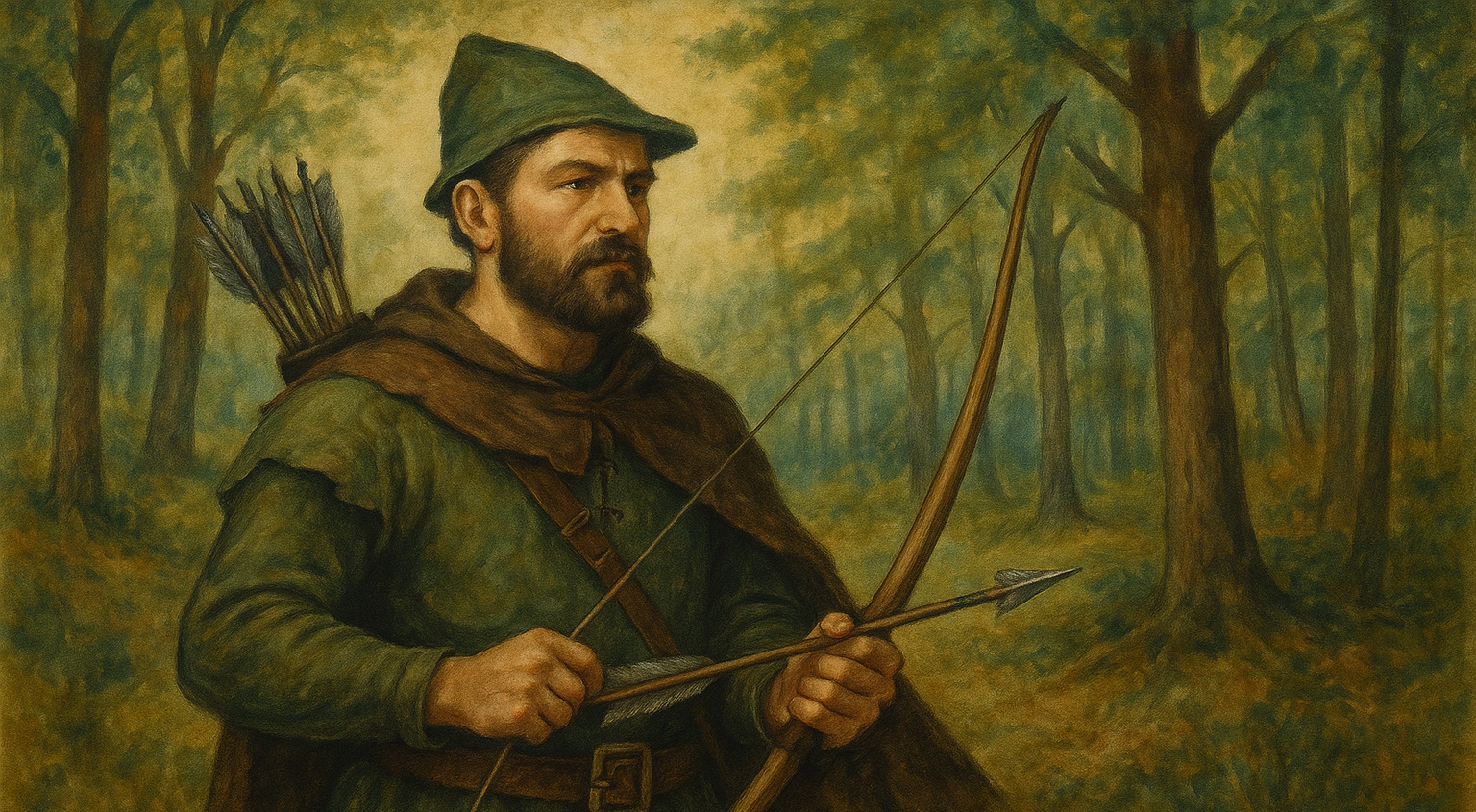
Minęło prawie 150 lat, a Pistulka nie przepadł w zapomnieniu. Został częścią śląskiej duszy. Symbolem buntu, sprawiedliwości, i marzenia o świecie, gdzie bogactwo łączy, a nie dzieli. Może gdzieś tam, wśród mgieł lasów pod Prudnikiem, wciąż słychać stukot końskich kopyt i cichy śmiech śląskiego Robin Hooda. Bo prawdziwa legenda – nigdy nie umiera.